BTC DRAWS MASSIVE CAPITAL INFLOWS AMID 2025 MARKET TRENDS
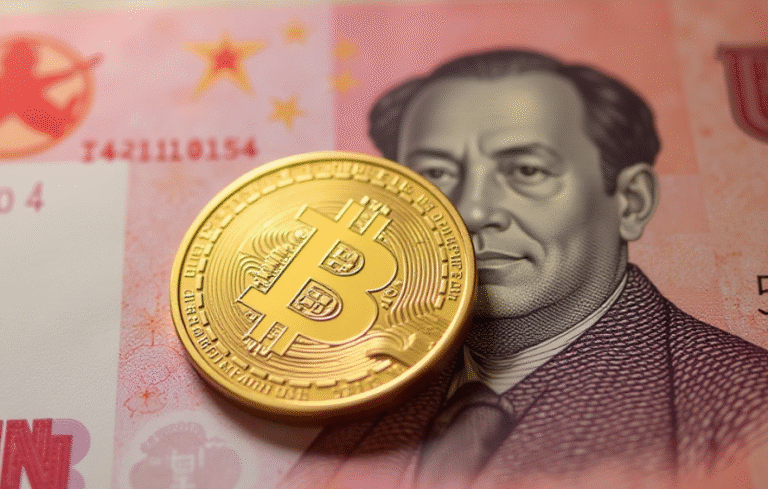
The 2025 Bitcoin bull cycle revealed a notable shift in market dynamics. Institutional capital flowed into BTC at unprecedented levels, reducing average yearly volatility and concentrating liquidity within the Bitcoin market rather than spreading to altcoins.
According to the latest Digital Asset Report by Glassnode and Fasanara Digital, BTC attracted $732 billion in new liquidity during this cycle — nearly double the $388 billion seen in the 2018–2022 bull market. The majority of these inflows arrived after the launch of regulated ETFs, primarily targeting U.S. investors.
Since the 2022 crash, BTC has completed three major rallies. The latest surge in 2025 pushed the price to a new all-time high above $126,000, resulting in a net gain of 715% during the bear market. By comparison, ETH and the broader altcoin market achieved average gains of around 350%.
BITCOIN OUTLOOK: ROBERT KIYOSAKI WARNS OF POTENTIAL CRASH AS YEN UNWIND RAISES LIQUIDITY QUESTIONS
Unlike previous cycles, altcoins underperformed relative to BTC. Altcoin seasons were brief, liquidity quickly dissipated, and only a few large-cap tokens or trending meme coins saw temporary boosts. Meanwhile, the stablecoin market expanded by 89% since November 2022, leaving the crypto economy heavily dollarized.
BTC Dominates New Capital Inflows
BTC consistently attracted the bulk of fresh capital, while the altcoin market showed internal turnover and sporadic inflows. On-chain data from Glassnode showed that previous cycles typically saw capital flow from BTC and ETH into a broader range of altcoins. In 2025, heightened risks from low-FDV assets, rug pulls, and VC-backed projects made traders cautious about altcoin exposure.
BTC experienced multiple waves of institutional inflows, ranging from $40 billion to $190 billion per month. ETH inflows were smaller, often driven by stablecoin rotations from whales. Stablecoins remained an internal liquidity factor, with a notable portion entering DeFi rather than fueling altcoin speculation.
COINSHARES BACKS OUT OF $600M XRP AND SOL ETF COMPETITION
BTC Short-Term Volatility and Institutional Support
In Q4, BTC briefly dipped below the cost basis for short-term holders, showing signs of selling pressure and minor capitulation, particularly below $90,000. Despite these pressures, institutional buying helped reduce volatility, keeping the BTC volatility index under 2% for most of the year—roughly 50% lower than the 2021 rally.
Overall, the 2025 BTC cycle highlighted the stabilizing effect of institutional participation, providing protection against panic-selling by retail traders and whales. While short-term fluctuations persisted, volatility remained significantly lower than in previous cycles.
Conclusion
The 2025 Bitcoin bull cycle marked a clear evolution in the crypto market. Institutional capital dominated inflows, driving record liquidity directly into BTC and stabilizing prices despite short-term volatility. Unlike previous cycles, altcoins saw limited gains, while stablecoins and regulated platforms played a central role in market dynamics.
With BTC achieving new all-time highs and volatility remaining low, the cycle demonstrated the growing influence of institutions in shaping market behavior. Looking ahead, Bitcoin’s resilience, combined with structured inflows and regulated trading channels, suggests that future cycles may continue to favor BTC over altcoins, reinforcing its position as the primary destination for crypto capital.