FALLING DOLLAR INDEX OFFERS POTENTIAL TAILWIND FOR BITCOIN OPTIMISTS
The U.S. dollar has been on a steady decline throughout most of 2025, creating a powerful tailwind for hard assets like precious metals and industrial commodities. As of December 23, 2025, the dollar index (DXY) is once again trending lower, sitting uncomfortably close to its lowest levels of the year.
A Quick Recap of the Dollar’s 2025 Rollercoaster
Following Donald Trump’s election victory in November 2024, the U.S. dollar surged strongly in the weeks that followed, driven by expectations of pro-growth policies, higher tariffs, and a “strong dollar” stance. That rally peaked early in 2025, but then the greenback reversed sharply. By mid-2025, it had given back nearly all those gains and had since settled into a choppy trading range near multi-year lows.
Early 2025: Everything Rallied Together
For the first several months of the year, a weakening dollar acted as a classic catalyst for risk assets. Stocks climbed to new highs, gold surged past previous records, silver followed suit, and Bitcoin (BTC) also rallied aggressively, reaching fresh all-time highs alongside the broader market euphoria.
BITCOIN BEAR FLAG BUILDS AFTER CPI DATA AS $85K SUPPORT WEAKENS
The Shift Since October 2025
The story has changed dramatically in the last few months. While the dollar has continued its overall downward bias, the performance of different asset classes has diverged sharply:
Gold, silver, and copper have gone from strength to strength. On Tuesday (December 23), all three commodities hit new all-time highs again, with gold pushing well beyond previous peaks, silver catching fire, and copper benefiting from strong industrial demand and inflation hedging.
Stocks have remained resilient, continuing to grind higher despite periodic volatility.
$27M DRAINED AS ATTACKERS EXPLOIT PRIVATE KEY IN MULTISIG WALLET
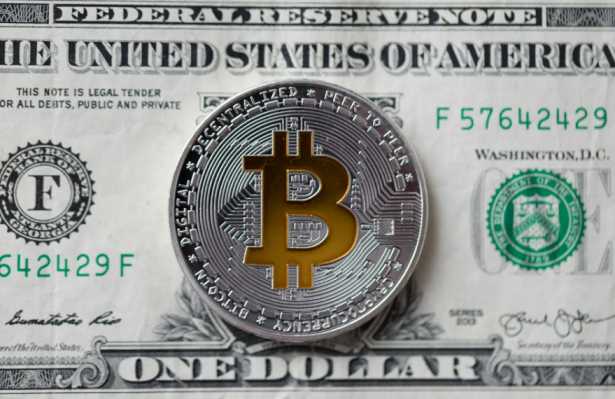
Bitcoin and the broader cryptocurrency market, however, have been in a brutal bear phase. BTC has failed to recapture its earlier highs and has endured significant drawdowns, underperforming both traditional risk assets and hard commodities.
What’s Driving the Divergence?
Several factors appear to be at play:
- Inflation and commodity demand—Persistent inflation concerns and robust global industrial activity (especially in infrastructure and green energy) have fueled demand for physical metals.
- Safe-haven and hedge flows—Gold has benefited from its traditional role as an inflation hedge and geopolitical haven.
- Crypto-specific headwinds — Bitcoin and other cryptocurrencies have faced regulatory uncertainty, reduced retail enthusiasm, profit-taking after the 2024–early 2025 run, and a shift in investor focus toward more tangible, yield-generating assets.
Bottom Line
As long as the U.S. dollar remains weak or range-bound near multi-year lows, hard assets such as gold, silver, and copper are likely to remain well-supported. Bitcoin, on the other hand, has decoupled from the typical “risk-on” correlation it showed earlier in the year and will need fresh catalysts—such as renewed institutional buying, clearer regulation, or a broader market risk reset—to rejoin the rally.
For now, the 2025 narrative is clear: hard assets are stealing the show, while crypto remains in the penalty box.
What might be next for the dollar?
The U.S. dollar, as measured by the DXY index, is currently hovering just above a critical long-term support level that dates all the way back to the 2008 global financial crisis. This key threshold has proven resilient over the years, successfully holding firm during multiple tests, including the latest ones in July and September of this year.
However, things could be shifting. Several foreign central banks, such as the Bank of Japan, are gradually adopting tighter monetary policies to combat inflation and stabilize their economies. At the same time, the U.S. Federal Reserve is under increasing scrutiny—particularly from President Trump—to ease up on interest rates and provide more stimulus to support growth. This growing gap between U.S. and international policies might put downward pressure on the dollar, potentially pushing it below that longstanding support line.
Interestingly, even with the dollar’s weakness so far this year, Bitcoin and other cryptocurrencies haven’t seen much of a boost yet. But if the dollar does break through that major support, it could catalyze a much-needed turnaround in the crypto market, reversing its recent slump and opening the door for renewed investor interest. Keep an eye on these developments—they could signal exciting opportunities ahead for investors and traders alike.